Neurofeedback in Charlotte, NC. For the brain that needs more than talk.
Some patterns don’t respond to conversation. They respond to training. NeuroNook is The Loft’s brain mapping and neurofeedback clinic for kids, teens, and adults whose anxiety, focus, sleep, or emotional regulation has real biology behind it — and who’ve already tried the obvious things.
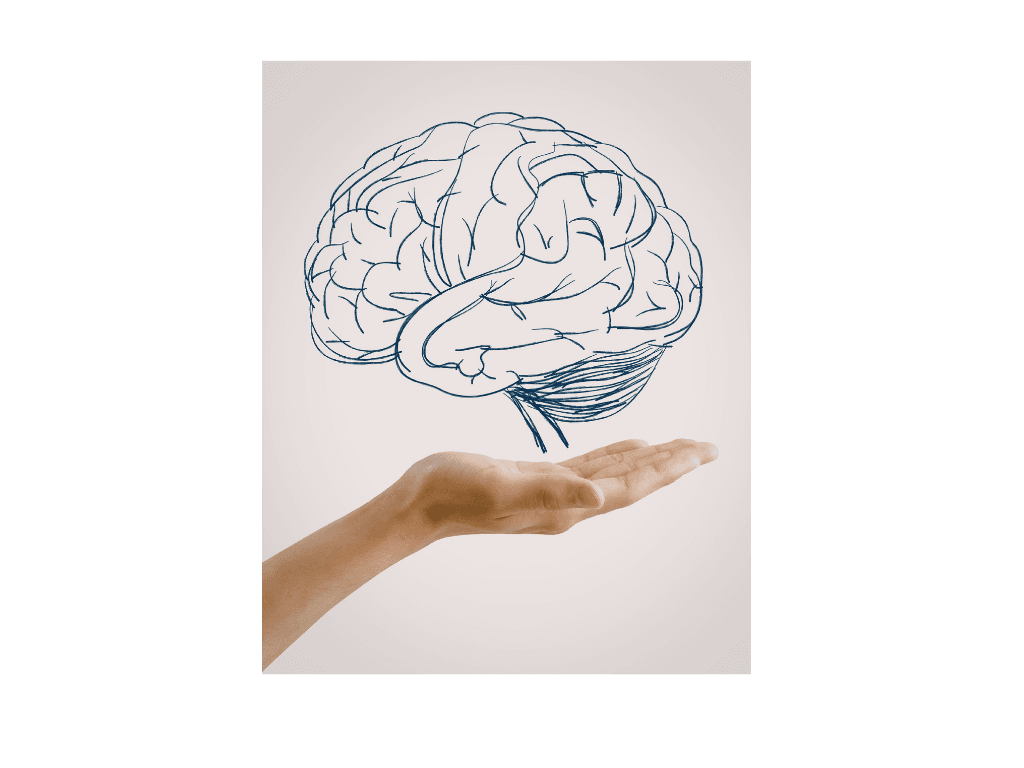
What is neurofeedback?
Neurofeedback is exercise for the brain. Not a metaphor — a literal one. We measure your brain’s electrical activity in real time, and we give the brain feedback about what it’s doing. Over time, it learns to do it better. No medication. No talking about your feelings. Just the brain, getting better at regulating itself.
During a session, sensors on the scalp read brain-wave patterns while you watch a movie or play a game. When the brain moves toward healthier patterns, the media plays smoothly. When it drifts, the screen dims. The brain figures it out. That’s the whole mechanism.
Backed by over 40 years of clinical research and endorsed by the American Academy of Pediatrics as a Level 1 evidence-based intervention for ADHD.
“We’re not putting anything into the brain. We’re showing the brain what it’s already doing — and letting it figure out how to do it better. It turns out, brains are good at that.”
From brain map to measurable change.
Three steps. No guessing. You'll always know what we're doing and why.
qEEG Brain Map
We place a comfortable cap with sensors on the scalp to record brain-wave activity across 19 sites. This creates a detailed map showing exactly where the brain is over- or under-performing.
$450 — includes full report + consultation
Personalized Training Plan
Jamie walks you through your brain map in plain language, then designs a training protocol that targets the specific patterns behind what you’re actually struggling with. No two plans look the same because no two brains are.
Training Sessions
You come in 1–2 times a week for 30–45 minute sessions*. Sit comfortably. Sensors go on. Watch a movie or play a game. The brain does the work. Most clients complete 20–40 sessions, and the results tend to hold because the brain changes how it regulates itself — it’s not masking.
$130 per session · book as you go
Who neurofeedback actually helps.
If any of these sound like something you've been trying to handle alone, you're not imagining it — and you're not out of options.
Attention & ADHD
The most researched non-medication approach to ADHD. Trains the brain to sustain focus and regulate impulse on its own — for kids whose parents don't want to medicate, and for adults who've outgrown the options.
Anxiety
For the brain that can't stop — the 3am replay, the racing thoughts, the chest-tight feeling that talk therapy alone hasn't reached. Neurofeedback directly addresses the patterns driving it.
Trauma & PTSD
For the veterans and survivors who've done years of talk therapy and are still waking up at 3am. Neurofeedback has strong research behind it for trauma — and is often the piece that finally moves the needle.
Emotional Regulation
Meltdowns, irritability, mood swings, the fuse that keeps getting shorter. Trains the brain to respond instead of react — the kind of change that lasts because the regulation is actually happening in the brain.
Sleep Disruption
The 2am wake-up. The can't-fall-asleep loop. The brain that keeps processing problems long after you've closed your eyes. Neurofeedback often reveals — and addresses — the specific patterns keeping sleep from working.
Peak Performance
Not just clinical. For students, athletes, founders, and executives who want to protect — or sharpen — the cognitive capacity they've built their life on. See our EDGE program for the full performance track.
What a session actually looks like.
No needles. No shocks. Nothing goes into the brain. Most clients — kids and adults — tell us they actually look forward to their sessions.
- Get comfortable: You sit in a comfortable chair. We place small sensors on the scalp with paste. Completely painless, and easier than a haircut.
- Watch and play: Pick a movie or a game. The media responds in real time to your brain activity — it plays smoothly when the brain hits target patterns and dims when it drifts.
- The brain learns: Over 30–45 minutes, the brain naturally adjusts to keep the rewards coming. No conscious effort needed. The brain does the heavy lifting.
- Track progress: We track changes session by session and share honest updates. We also remap the brain at intervals so you can see the patterns shifting in the data — not just feel better without knowing why.
Answered honestly.
This is new territory for most people who find us. Here are the questions we hear most — answered the way we'd answer them over coffee.
Transparent pricing. No surprises.
We want you focused on the work, not on hidden fees. Here's exactly what things cost at NeuroNook.
QEEG Brain Map
- 19-site brain-wave recording
- Comprehensive analysis report
- One-on-one results consultation
- Personalized training recommendations
Neurofeedback Session
- Personalized neurofeedback protocol
- Real-time brain-wave monitoring
- Progress tracking each session
- No packages. Pay per session. HSA/FSA accepted.
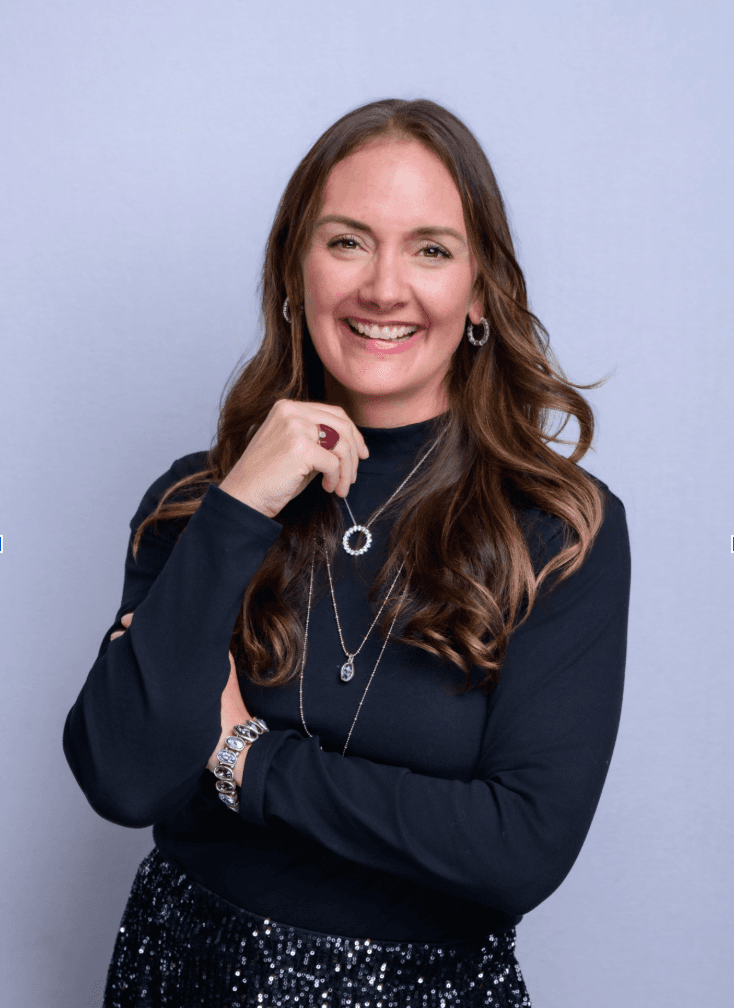
The person reading your brain map.
Jamie Walker leads NeuroNook at The Loft. Clinically rigorous and refreshingly straightforward. If something in your brain map matters, she’ll tell you. If something doesn’t, she’ll tell you that too.
Jamie built the NeuroNook program after watching too many clients — kids, teens, adults — hit the ceiling of what talk therapy and medication could offer, and then find something that finally worked when someone actually looked at the brain. She brings data and plain language to every session, and she’s always willing to explain exactly what’s happening and why.
* In-office is the default, but not the only option. For clients who’d rather train from home, NeuroNook offers an at-home neurofeedback program with the same clinical oversight — full equipment kit, ongoing protocol adjustments, and progress brain maps built in. Learn about the at-home program →
Start with a brain map.
The clearest first step toward answers that guessing and symptom checklists can’t give you. $450, full report included, no commitment to do anything else afterward.