You’re exhausted.
But sleep won’t come.
Maybe you can’t fall asleep no matter how tired you are. Or you crash but wake at 3am with a racing mind. Or you sleep for hours and still drag through the day exhausted. Sleep isn’t just a habit problem — for many people it’s a brain pattern problem.
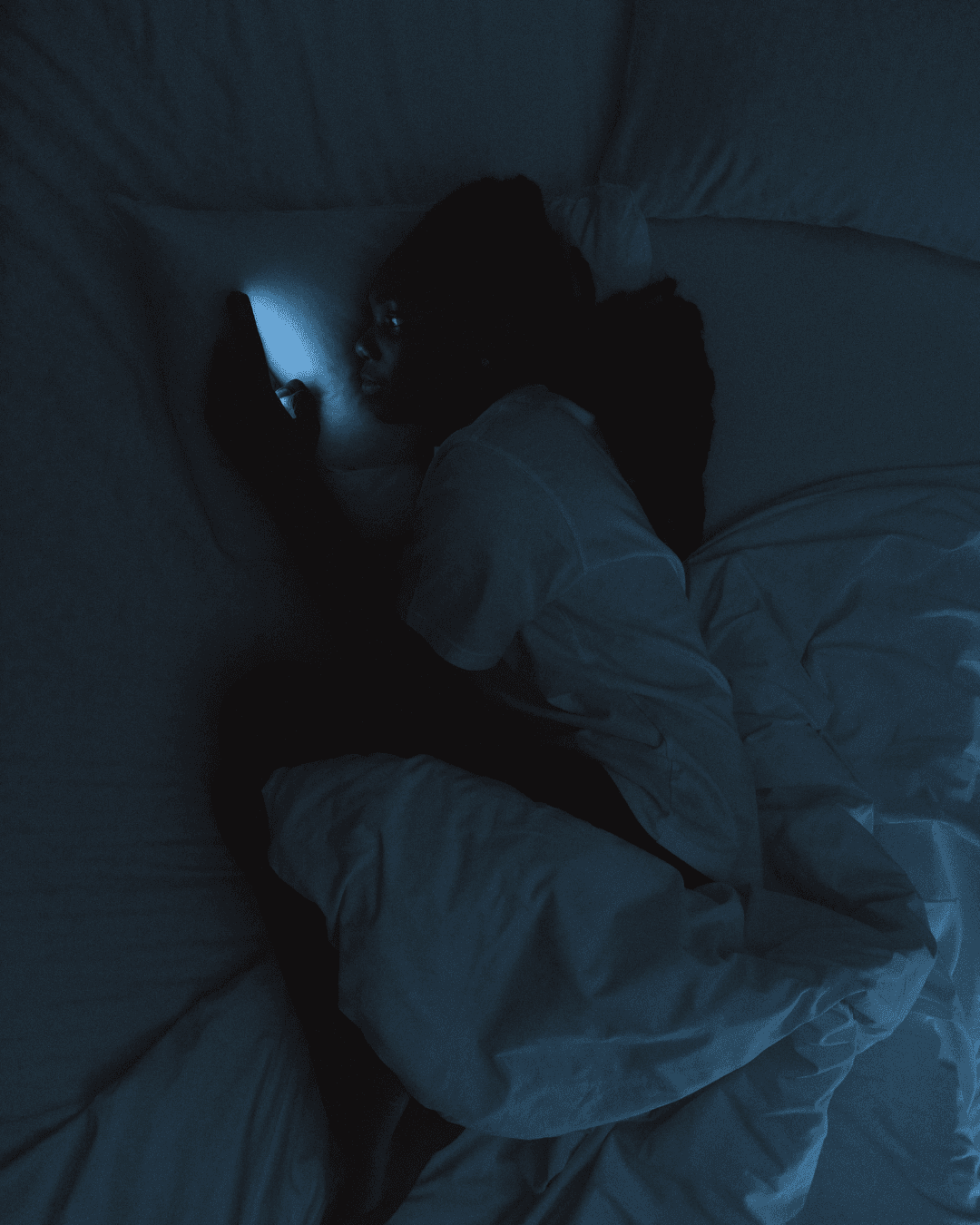
You’ve tried the routines. And still nothing sticks.
No screens before bed. Earlier bedtimes. Melatonin. White noise. All the things everyone says to try. And some nights it helps a little. But it doesn’t last, and it doesn’t explain why the brain won’t just let go.
Maybe bedtime itself has become a source of dread. The anticipation of another bad night layered on top of an already exhausted day.
Sleep isn’t just a habit problem. For many people it’s a brain pattern problem. And when you can see the pattern, you can actually do something about it.
A brain that doesn’t know how to power down.
When we map someone who struggles with sleep we often see waves that should rise at rest — the ones associated with deep recovery and calm — staying flat or irregular. Other waves stay overaroused when they should be settling. The brain wants to stay on duty even when the body is exhausted.
This isn’t bad sleep hygiene. It’s a brain that hasn’t learned how to shift into rest mode.
A sleep-struggling brain stays activated even at rest — scanning, processing, unable to hand off to the recovery systems that should take over at night.
A qEEG brain map shows which waves are dysregulated and when. For most people it's the first time anyone has shown them what's actually happening — not just a label.
Neurofeedback gives the brain real-time feedback, session by session, until it learns to shift into the patterns associated with calm and deep recovery.
“In just a few sessions she was already sleeping better.”
A NeuroNook Client
What neurofeedback does.
Neurofeedback trains the brain toward healthier rest patterns over time. You sit in a comfortable recliner, watch a show of your choosing, and the software gives the brain real-time feedback — gently guiding it toward the patterns associated with calm and recovery.
No talking required. No homework. Just the brain practicing something new.
We read brain patterns, not diagnoses.
We don’t diagnose sleep disorders or any other condition at NeuroNook. We read brain patterns and reflect how those patterns may be showing up in daily life. Your medical provider handles diagnosis. We work alongside that process.
Curious if this could help you or someone you love?
Jamie offers a free 15-minute call.
No pressure, no commitment. Just a real conversation about what’s happening and whether neurofeedback might be a fit.