Your teen is worried. And so are you.
Maybe it started as nerves before a test. But somewhere along the way it became something bigger. Racing thoughts, stomachaches before school, the constant feeling that something bad is about to happen. Anxiety isn’t just a mindset problem — for many teens it’s a brain pattern problem.
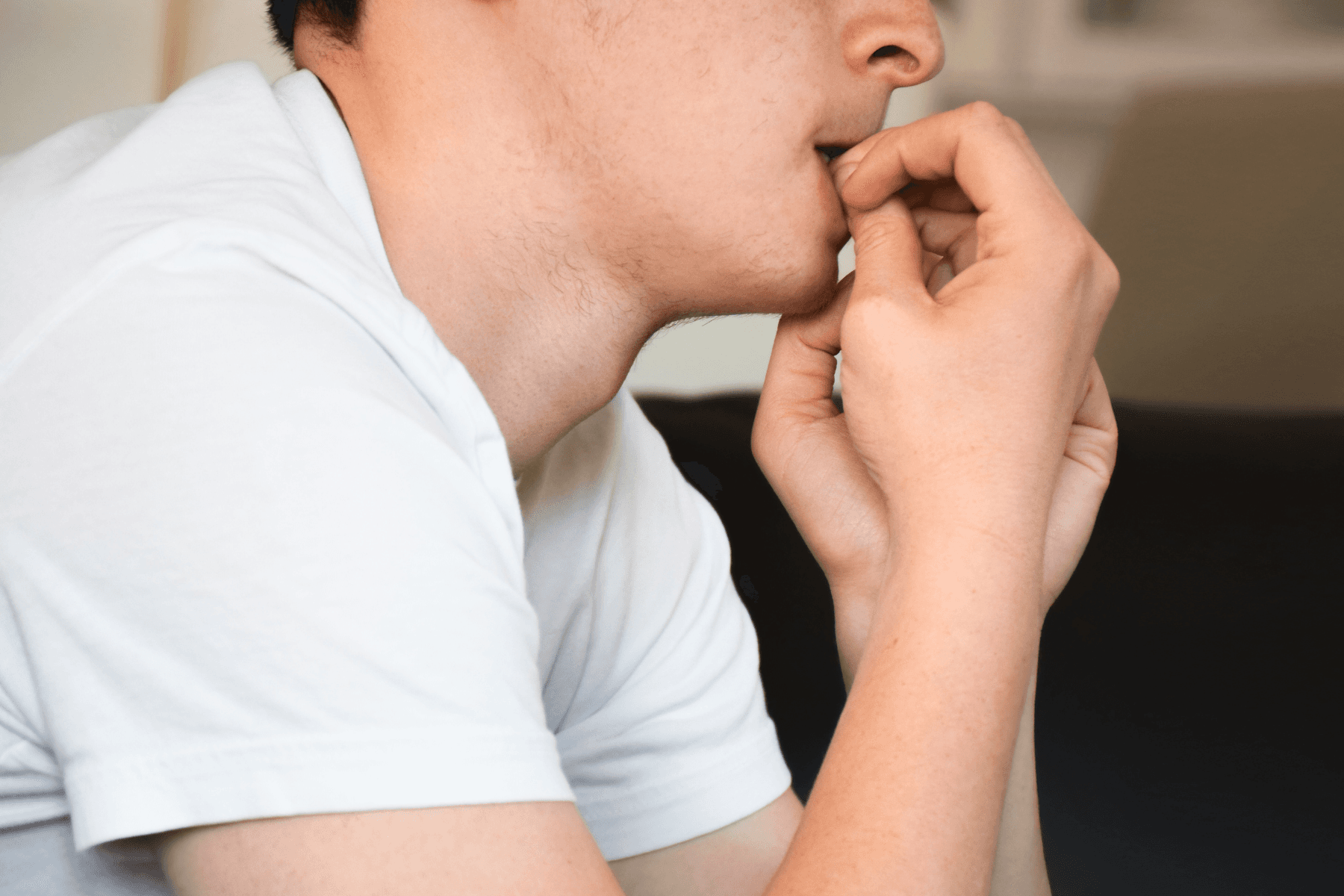
You’ve tried everything. And still something feels stuck.
Big emotions that seem to come out of nowhere. The constant scanning for what might go wrong next. A kid who used to be fine and now isn’t — and nobody can quite explain why.
You’ve probably heard “just breathe” and “try to think positive.” Maybe you’ve done therapy. Maybe the therapy helped some, but the anxiety keeps coming back.
Anxiety isn’t just a mindset problem. For many teens it’s a brain pattern problem. And when you can see the pattern, you can actually do something about it.
When we map an anxious teen’s brain.
We often see areas that are overaroused — brain waves that don’t settle even when the brain is supposed to be at rest. The brain gets stuck in high alert, scanning for threat even when there is none.
Seeing that pattern changes everything. For a lot of families it’s the first time anyone has been able to show them what’s actually happening. Not just a summary from a checklist of symptoms.
An anxious brain is often caught in a pattern of overarousal — brainwaves that stay elevated even during rest. The brain treats everyday situations as threats.
A qEEG brain map makes the pattern visible. For most families, it’s the first time they’ve seen a concrete picture of what’s happening — not just a diagnosis label.
The same neuroplasticity that created the anxious pattern can create a calmer one. Neurofeedback gives the brain real-time feedback until it learns to regulate itself.
“Overall she is letting things roll off her back a lot more. Her perspective has shifted.”
A NeuroNook Parent
What neurofeedback does.
Neurofeedback trains the brain toward calmer patterns over time. Your teen sits in a comfortable recliner, watches a show of their choosing, and the software does the work — giving the brain real-time feedback until it learns to regulate itself.
No talking required. No homework. Just the brain practicing something new.
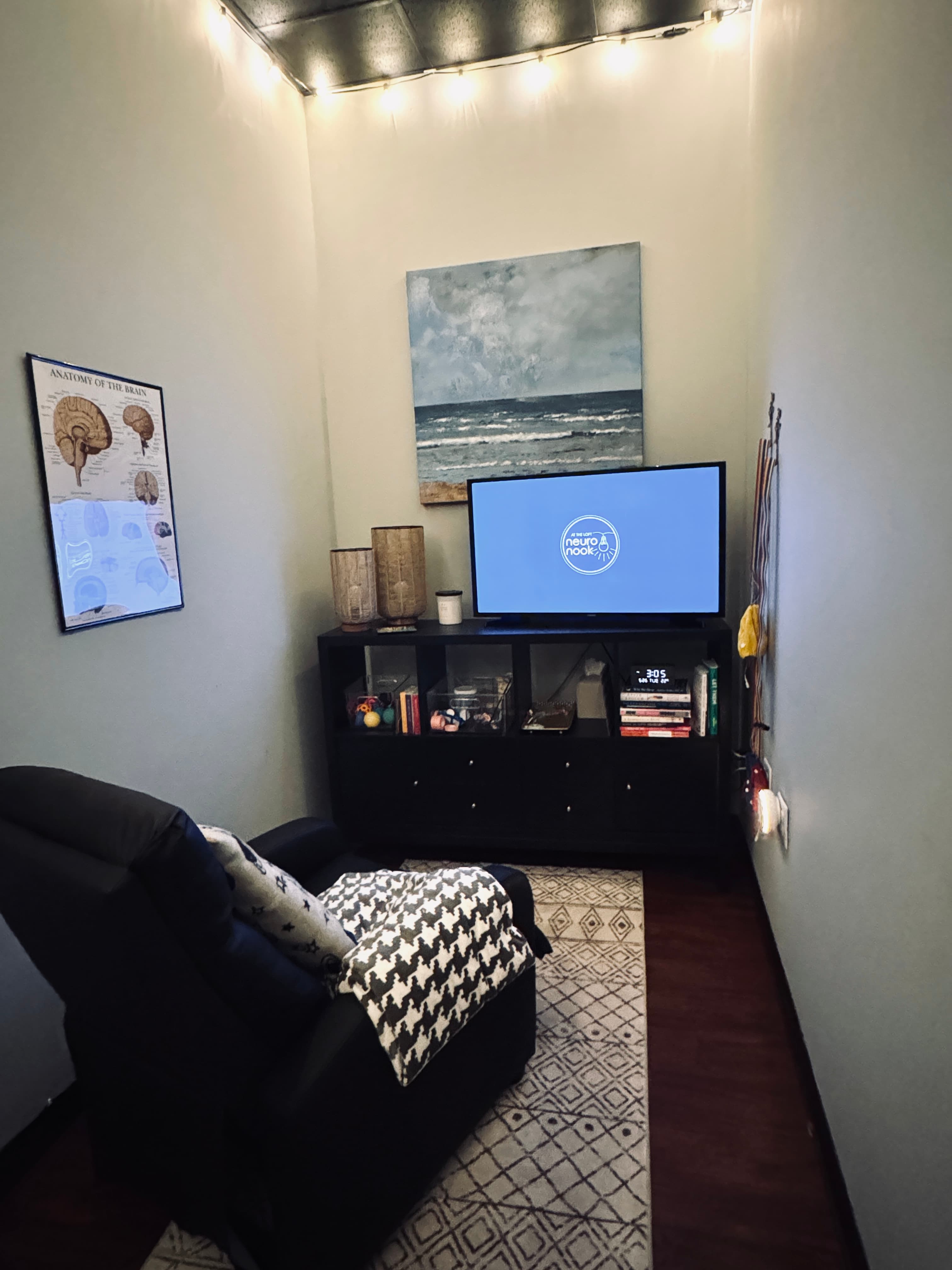
We read brain patterns, not diagnoses.
We don’t diagnose anxiety or any other condition at NeuroNook. We read brain patterns and reflect how those patterns may be showing up in daily life. Your medical provider handles diagnosis. We work alongside that process.
Curious if this could help your teen?
Jamie offers a free 15-minute call.
No pressure, no commitment. Just a real conversation about what you’re seeing and whether neurofeedback might be a fit.